Business Card Mockup Natural Shadow: A Practical Guide for Designers and Entrepreneurs
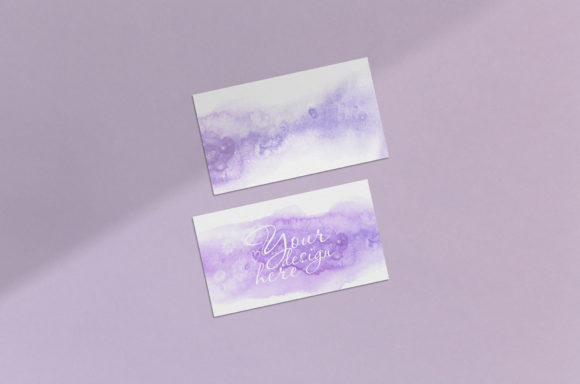
For professionals looking to present their brand with a polished, realistic touch, the Business Card Mockup Natural Shadow offers a powerful tool. This mockup allows users to visualize their business card designs in a lifelike setting, making it easier to assess how the final product will look in real-world scenarios. Whether you're a designer, marketer, or small business owner, understanding how to use this resource effectively can save time, reduce errors, and enhance your professional image.
The mockup typically includes a Photoshop file (PSD) with a smart layer, allowing for easy editing, and a JPG version with white blanks for those who prefer to add their design without using Photoshop. These files are high-resolution, at 5660x3749 pixels and 300 dpi, ensuring clarity and quality when printed or displayed digitally.
Common Mistakes When Using Business Card Mockups
While the Business Card Mockup Natural Shadow is a valuable asset, many users make mistakes that can undermine its effectiveness. One common error is not checking the dimensions of the mockup against the actual size of the business card. For example, if the mockup is designed for a 3.5x2 inch card but the user inputs a different size, the final output may look distorted or unprofessional.
Another mistake is neglecting to consider the resolution and file format. Using a low-resolution image or an incompatible file type can lead to blurry prints or poor digital representation. It's essential to ensure that all elements—text, graphics, and colors—are optimized for the intended use, whether it's printing, online sharing, or social media display.
Some users also overlook the importance of shadows and lighting in the mockup. While the Business Card Mockup Natural Shadow provides a realistic effect, adjusting these elements can significantly impact how the card appears. For instance, an overly dark shadow might make the card look unappealing, while a flat, lifeless background could make the design seem less engaging.
How to Avoid Common Pitfalls
To avoid these issues, start by verifying that the mockup matches the specifications of your business card. If you're using a 3.5x2 inch card, confirm that the mockup is set to that exact size. This ensures that your design will fit perfectly and maintain its visual integrity.
Before downloading or purchasing a mockup, check the file formats and resolution. The PSD file should be editable with smart layers, giving you flexibility to adjust text, images, and other elements. The JPG version should have a clean, white background so you can easily apply your design without complex editing tools.
Take the time to experiment with the shadows and lighting in the mockup. Adjusting these settings can help you achieve a more natural, professional look. For example, adding a subtle shadow beneath the card can create depth and realism, making your design stand out in presentations or marketing materials.
Key Considerations Before Using the Mockup
Before finalizing your design, review the following checklist:
- Size and Dimensions: Ensure the mockup aligns with the actual size of your business card.
- Resolution and File Format: Confirm that the files are high-resolution and compatible with your design software.
- Editing Flexibility: Check that the PSD file has smart layers for easy customization.
- Visual Realism: Test the shadows and lighting to ensure they enhance, rather than detract from, your design.
- Intended Use: Consider whether the mockup is suitable for print, digital display, or both.
Practical Tips for Better Results
One effective approach is to start with a simple design and gradually add complexity. This allows you to see how each element interacts with the shadows and background. For example, if you're designing a card with a logo and contact information, place the logo first and then adjust the text to ensure it's readable and visually balanced.
Another tip is to use the JPG version as a starting point if you're not familiar with Photoshop. This file provides a clean canvas where you can upload your design and see how it looks in the mockup environment. You can then refine the design in a more advanced tool if needed.
Collaboration is also key. Share the mockup with colleagues or clients to get feedback on the design and presentation. Their perspective can highlight issues you may have overlooked, such as color contrast, font size, or layout balance.
Realistic Examples and Better Approaches
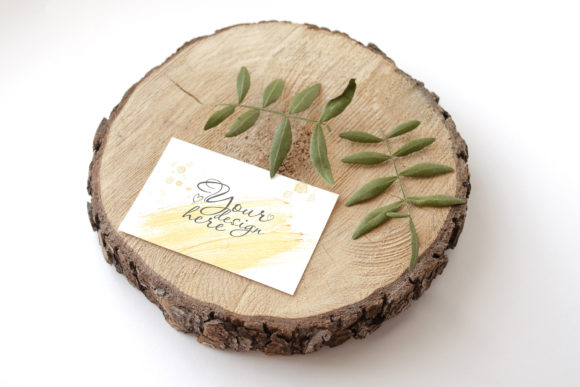
Consider a scenario where a small business owner creates a mockup for a new line of eco-friendly products. By using the Business Card Mockup Natural Shadow, they can showcase their card in a realistic setting, such as on a wooden desk or beside a plant. This adds context and reinforces the brand's message of sustainability.
In another example, a graphic designer might use the mockup to demonstrate how different color schemes affect the overall look of the card. Testing variations in the mockup helps them choose the most effective option before finalizing the design.
For entrepreneurs, the mockup can be a valuable tool during client meetings. Showing a realistic preview of the business card helps build trust and confidence, as it demonstrates attention to detail and professionalism.
Final Thoughts
The Business Card Mockup Natural Shadow is a versatile resource that can elevate your design process and improve your professional presentation. By avoiding common mistakes and following practical advice, you can maximize the benefits of this tool. Whether you're a beginner or an experienced designer, taking the time to understand and use the mockup correctly can make a significant difference in the quality and impact of your work.