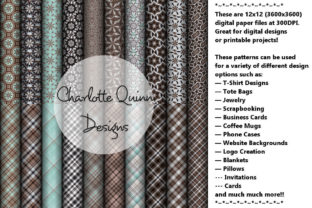
Digital Papers 280: A Versatile Resource for Creative Projects
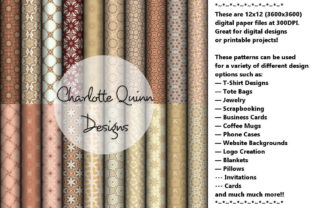
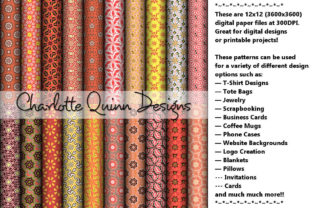
Digital Papers 280 is a collection of high-quality digital paper files designed for both digital and printable projects. Each file measures 12x12 inches at 300DPI, ensuring crisp and clear visuals regardless of the application. These 3600x3600 pixel files are ideal for creators looking to add texture, pattern, or background to their designs. Whether you're a teacher, designer, or small business owner, Digital Papers 280 offers a wide range of possibilities.
Understanding Digital Papers 280
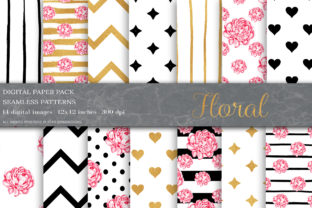
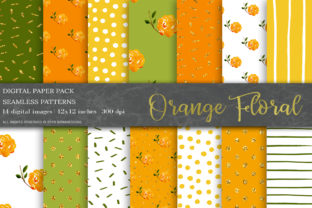
Digital Papers 280 consists of a series of patterns that can be used across various platforms and mediums. The collection includes a diverse range of styles, from minimalist and modern to intricate and ornate. Each design is crafted with attention to detail, making them suitable for both professional and personal use. The high resolution ensures that the quality remains consistent even when scaled up or printed.
These digital papers are not limited to a single purpose. They can serve as backgrounds, textures, or elements within larger design projects. Their versatility makes them a valuable asset for anyone involved in graphic design, content creation, or product development.
Applications of Digital Papers 280
The uses for Digital Papers 280 are nearly endless. Educators can incorporate these papers into lesson plans, worksheets, or classroom materials to create engaging and visually appealing resources. For instance, a teacher might use a patterned background for a printable worksheet to make it more interactive for students.
Designers can leverage Digital Papers 280 in a variety of ways. From creating digital games to designing website backgrounds, the possibilities are vast. A game developer might use a specific pattern as a background for a mobile app, while a web designer could use it as a subtle backdrop on a client's site.
Business owners and entrepreneurs can also benefit from Digital Papers 280. Whether it's for branding materials like business cards or promotional items such as phone cases and tote bags, the right pattern can elevate the visual appeal of a product. A small business owner selling handmade jewelry might use a patterned paper as a background for product photos to create a cohesive brand aesthetic.
Who Can Benefit from Digital Papers 280?
Digital Papers 280 is particularly useful for creators who need a reliable source of high-quality patterns. Teachers and educators can enhance their lesson plans and materials with unique designs. Students and homeschoolers may find these papers helpful for creating visually engaging projects or presentations.
Graphic designers and digital artists will appreciate the flexibility and quality of Digital Papers 280. These files can be easily integrated into design software, allowing for seamless customization. Whether working on a logo, a brochure, or a social media post, the right pattern can add depth and interest to any project.
Entrepreneurs and small business owners can use Digital Papers 280 to create branded materials that stand out. From packaging to marketing collateral, the right design can make a significant impact on customer perception. A local coffee shop owner might use a patterned paper as a background for a menu or a flyer to attract attention.
Strengths and Considerations
One of the key strengths of Digital Papers 280 is its high resolution and quality. The 300DPI setting ensures that the papers look sharp and professional, whether they're used digitally or printed. This makes them suitable for both online and offline applications.
Another advantage is the variety of patterns available. With so many options, users can find the perfect design for their specific needs. However, it's important to consider the intended use before selecting a pattern. Some designs may be more appropriate for certain projects than others.
Users should also be aware of licensing terms when using Digital Papers 280. While the files are generally available for commercial use, it's always wise to review the specific terms provided by the seller. This ensures that the patterns are used appropriately and legally.
Real-World Examples and Applications
Imagine a teacher creating a set of printable flashcards for a classroom. By using a patterned paper as the background, the flashcards become more engaging and visually appealing. This can help students stay focused and retain information more effectively.
A digital artist working on a series of illustrations might use Digital Papers 280 as a background for their artwork. This adds a layer of texture and depth, making the final piece more dynamic. The artist can then export the design for use in various formats, such as social media posts or printables.
For a small business owner launching a new product line, Digital Papers 280 can be used to create packaging designs. A patterned paper could serve as the base for a custom box label, adding a unique touch that sets the product apart from competitors.
How to Evaluate Suitability
When considering whether Digital Papers 280 is right for a project, it's essential to evaluate the specific needs and goals. Start by identifying the purpose of the design. Is it for a digital platform, a printed item, or a combination of both? This will help determine which patterns are most appropriate.
Next, think about the audience. What style would resonate best with the target demographic? A modern, clean pattern might be more suitable for a tech startup, while a more traditional design could work well for a craft business. Understanding the preferences of the audience can guide the selection process.
Finally, consider the technical requirements. Ensure that the chosen pattern is compatible with the design software being used. Most digital papers are available in common file formats, but it's always good to double-check. This helps avoid any potential issues during the design process.
Conclusion
Digital Papers 280 offers a versatile and high-quality solution for a wide range of creative projects. From educational materials to commercial products, these digital papers can enhance the visual appeal of any design. By understanding their features, applications, and suitability, users can make informed decisions that align with their specific needs and goals.