Digital Papers: A Strategic Tool for Modern Design and Branding
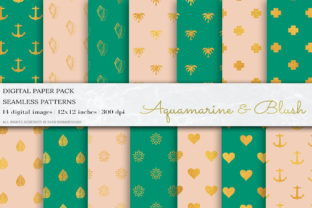
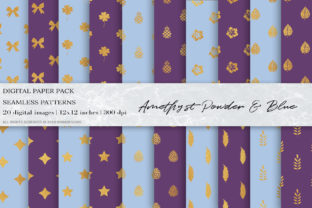
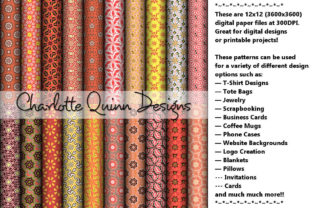
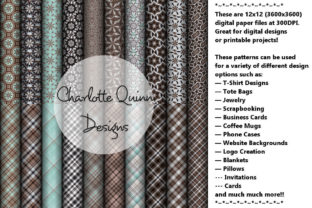
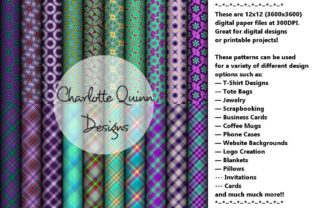
Digital Papers are high-resolution, 3600x3600 pixel files at 300DPI, designed to offer a versatile foundation for creative projects. These 12x12 inch digital paper files provide a consistent and professional look that can be adapted across multiple mediums. From t-shirt designs to business cards, Digital Papers serve as a powerful asset for designers, entrepreneurs, and marketers looking to streamline their creative workflow while maintaining visual cohesion.
Unlike traditional paper, Digital Papers offer the flexibility to be edited, scaled, and customized without losing quality. This makes them ideal for professionals who need to maintain brand consistency across various platforms and formats. Whether you're creating a website background, a logo, or a product packaging design, Digital Papers can help you achieve a polished and cohesive aesthetic.
Why Digital Papers Matter in Strategic Design
In today’s fast-paced digital landscape, consistency is key. Digital Papers provide a structured base that supports your design efforts by ensuring that every element aligns with your brand’s identity. When used thoughtfully, they can enhance your communication strategy, improve customer experience, and reinforce your positioning in the market.
For small business owners and entrepreneurs, Digital Papers can be a cost-effective way to maintain a professional appearance across all touchpoints. Instead of sourcing individual graphics for each project, you can use a single set of Digital Papers to create a unified visual language. This not only saves time but also ensures that your branding remains consistent, which is critical for building trust and recognition.
Marketers and content creators can leverage Digital Papers to develop engaging visuals for social media, email campaigns, and print materials. By using a cohesive set of patterns and textures, you can create a stronger visual narrative that resonates with your audience. This strategic approach helps in reinforcing your message and making your content more memorable.
When to Use Digital Papers: Practical Scenarios
Digital Papers are most effective when integrated into a well-defined design plan. They are particularly useful when you need to maintain a specific style across multiple projects. For example, if you’re launching a new product line, you can use the same Digital Papers to create packaging, marketing materials, and online store banners. This ensures that your brand appears cohesive and professional at every stage of the customer journey.
Consider using Digital Papers when you’re working on a tight deadline. Since these files are pre-designed and ready to use, they can significantly reduce the time required for graphic creation. This allows you to focus on other aspects of your project, such as copywriting, user experience, or campaign strategy.
Another scenario where Digital Papers shine is when you’re collaborating with a team. By providing a shared set of design assets, you can ensure that everyone is working from the same visual playbook. This reduces confusion, streamlines the approval process, and helps maintain a unified brand image across all deliverables.
How to Approach Digital Papers Strategically
To get the most out of Digital Papers, it’s important to approach them with a clear objective in mind. Start by identifying the goals of your project. Are you looking to improve your brand’s visual identity? Enhance your product packaging? Create a consistent look for your website? Once you have a clear purpose, you can select the right Digital Papers that align with your vision.
Before using Digital Papers, take the time to understand the context in which they will be applied. Consider the platform, audience, and medium. For instance, a pattern that works well for a website background may not be suitable for a printed brochure. Always test your designs in the intended environment to ensure they look and function as expected.
Another important step is to customize Digital Papers to fit your unique needs. While the base design is already optimized, you can adjust colors, add text, or overlay other elements to make the design more relevant to your brand. This level of customization allows you to maintain control over your visual identity while still benefiting from the efficiency of pre-designed assets.
Key Considerations Before Relying on Digital Papers
While Digital Papers offer many advantages, they are not a one-size-fits-all solution. It’s essential to evaluate whether they align with your long-term goals and operational needs. If your brand requires a highly unique or custom design, relying solely on Digital Papers may not be sufficient. In such cases, consider combining them with original artwork or custom illustrations to achieve the desired effect.
Additionally, be mindful of copyright and licensing terms. Ensure that the Digital Papers you use are properly licensed for your intended purpose. Some files may be restricted to personal use only, while others may require attribution or payment for commercial projects. Always review the terms carefully to avoid legal issues down the line.
Another consideration is the potential risk of over-reliance on pre-designed assets. While Digital Papers can save time, they may also limit creativity if used without thoughtful planning. To avoid this, use them as a starting point rather than a final solution. Experiment with different layouts, color schemes, and combinations to find the best fit for your project.
Examples of Digital Papers in Action
Let’s explore a few real-world examples of how Digital Papers can be used effectively:
- T-Shirt Designs: Use Digital Papers as a base for t-shirt graphics, adding text, logos, or illustrations to create a unique and eye-catching design.
- Scrapbooking: Incorporate Digital Papers into scrapbook pages to add texture, patterns, and depth, enhancing the overall aesthetic of your project.
- Business Cards: Apply a Digital Paper background to your business card design for a professional and visually appealing finish.
- Website Backgrounds: Use Digital Papers as a background for your website to add visual interest while maintaining a clean and organized layout.
- Invitations and Cards: Customize Digital Papers for wedding invitations, birthday cards, or event flyers to create a personalized and elegant look.
Planning Tips for Effective Use
To maximize the value of Digital Papers, follow these planning tips:
- Define Your Brand Identity: Understand your brand’s visual language before selecting Digital Papers. Choose patterns and colors that reflect your brand’s personality and values.
- Create a Design System: Develop a set of guidelines for using Digital Papers across different projects. This includes rules for color usage, spacing, and layout.
- Test and Iterate: Experiment with different Digital Papers and see how they perform in various contexts. Gather feedback and refine your approach based on real-world results.
- Stay Consistent: Use the same set of Digital Papers across all your design projects to maintain a cohesive brand presence.
- Update Regularly: As your brand evolves, update your Digital Papers to reflect new styles, trends, or messaging.
Long-Term Value of Digital Papers
Digital Papers can contribute to long-term success by supporting consistent branding, improving productivity, and enhancing the overall quality of your work. When used intentionally, they become a valuable part of your design toolkit, helping you achieve better outcomes with less effort.
By integrating Digital Papers into your workflow, you can streamline your creative process, reduce costs, and maintain a professional image. This strategic approach not only benefits your current projects but also lays the foundation for future growth and innovation.
Ultimately, the key to success with Digital Papers lies in how you choose, apply, and adapt them. With careful planning and thoughtful execution, they can become a powerful asset in your design and branding strategy.